You know that feeling when someone from the capital explains your town to you. Or when people from the continent teach you about Madeira.
They mean well. They have data. They’ve probably never lived here and known how it is to be day in and day out in this context.
But they have a framework.
If you work in sustainability, innovation, or anything that requires funding and outside attention, you’ve been there. You’ve nodded. And then you’ve remade it into something that might actually work here, quietly, on your own, after they left.
Last week we sat in a room with five hundred people from the Canary, Tuvalu, the Solomon Islands, the Philippines, Okinawa etc. — islands that know exactly what that meeting feels like.
Nobody there was waiting for mainland advice.
They were there because the most useful thing an island can do is find another island that has already solved the problem. Not a consultant. Not a framework. Another frog (I promise, this will make sense).
Back in 2023, we became part of an Island Innovation event almost by accident. A friend knew the organisers and suggested we speak at their inaugural Blue Economy and Sustainable Islands Forum — hosted right here in Madeira. It was a baby event compared to what it has grown into (the organisers still fondly remember having only three restaurants in town — hi, Machico).
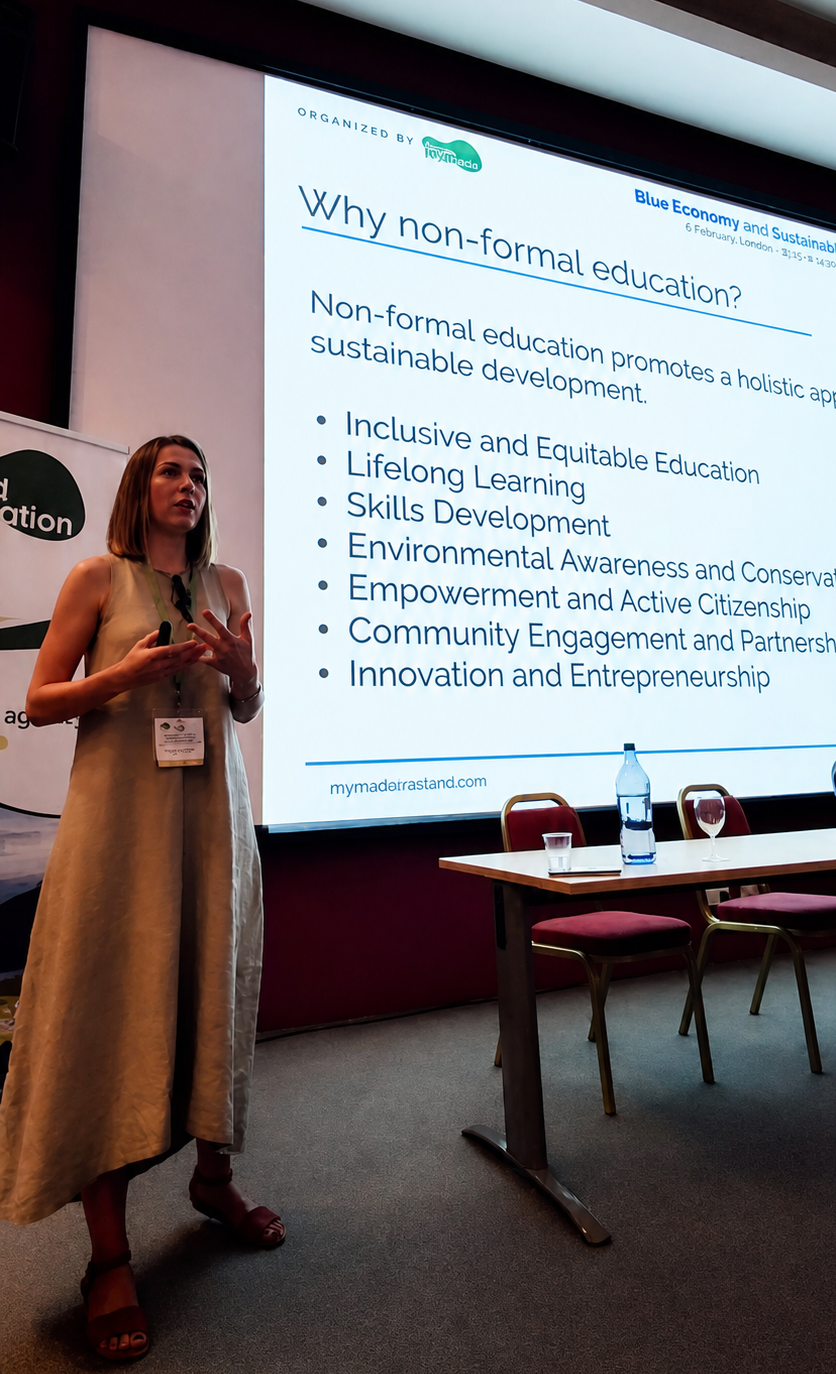
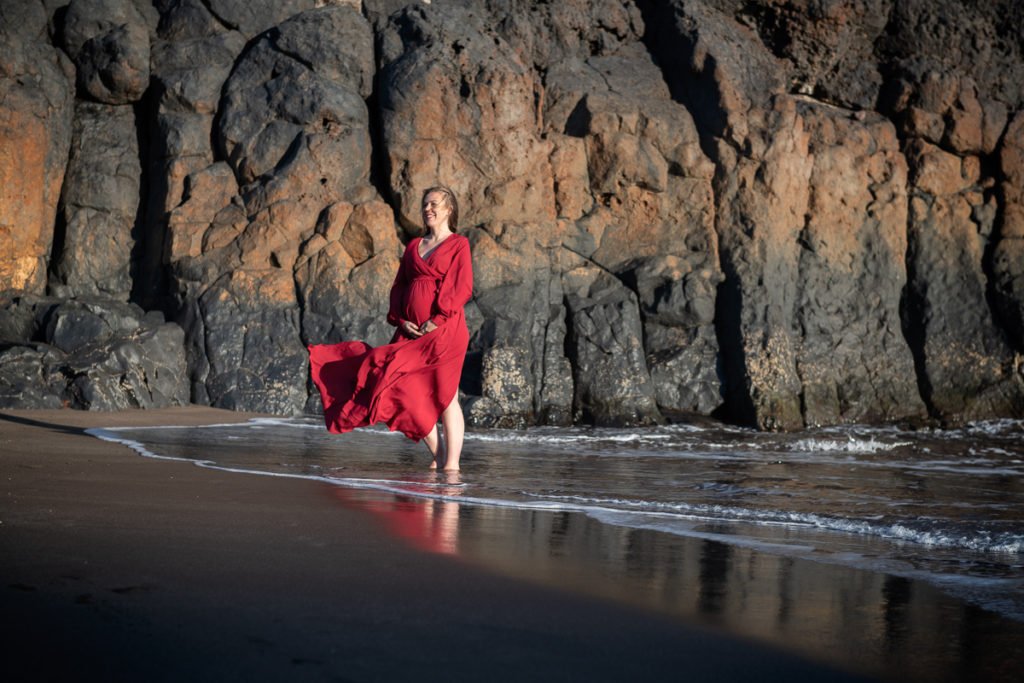
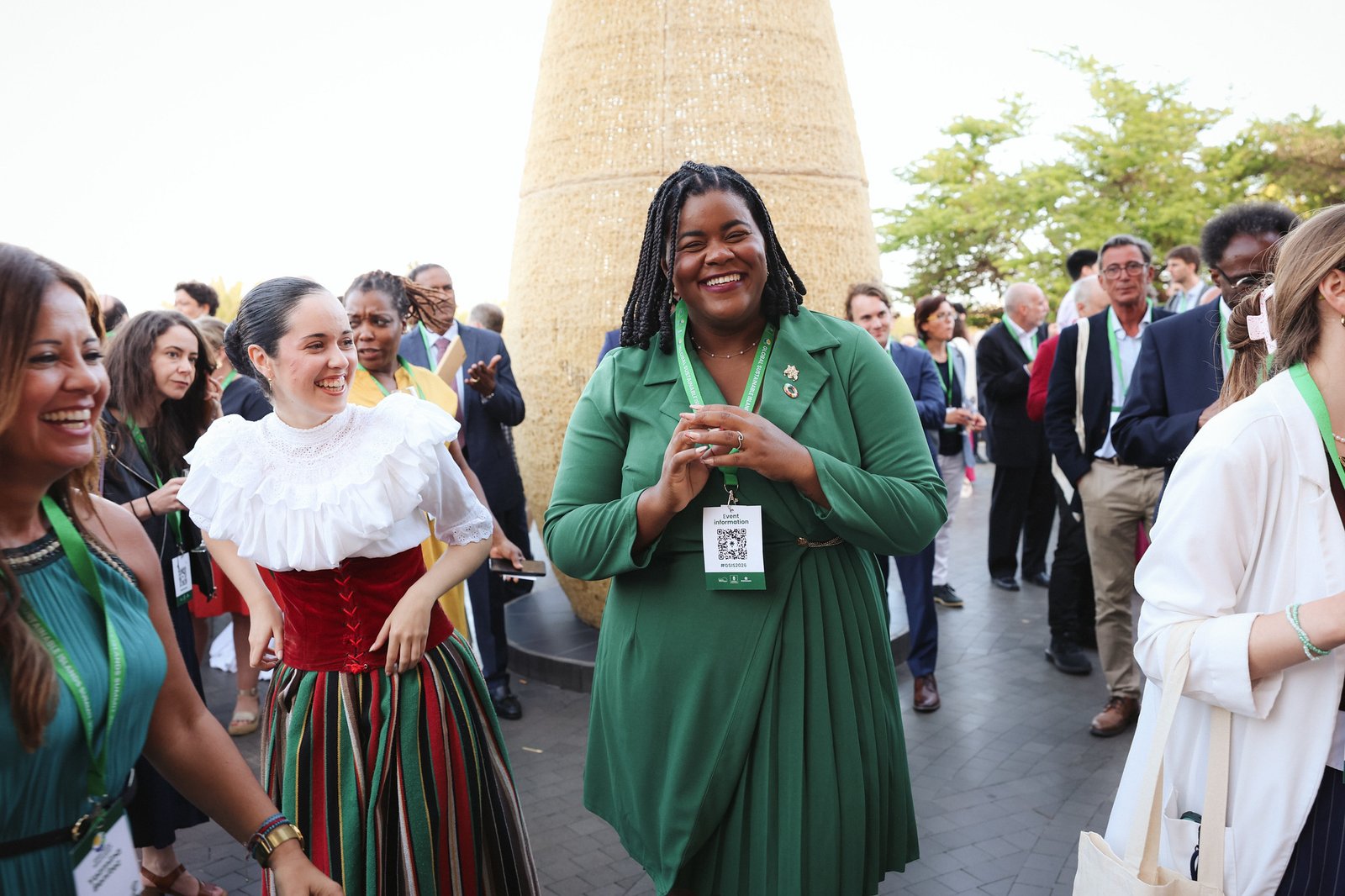
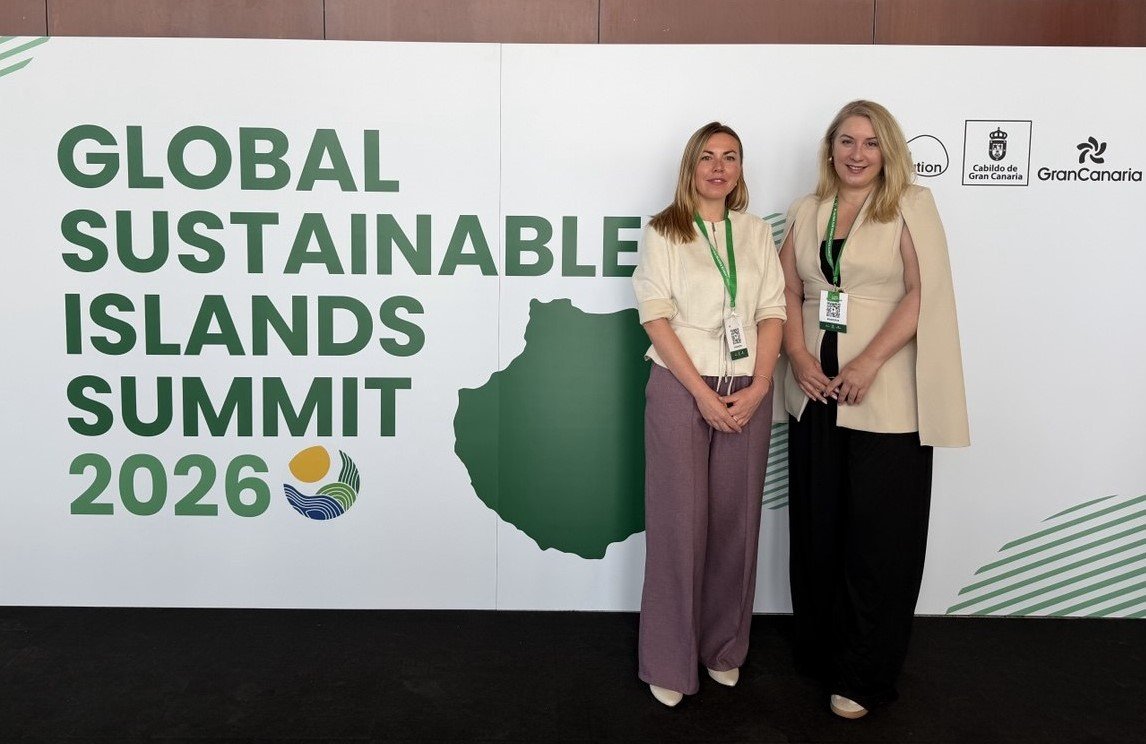
We were finding our footing too. My Madeira Island was doing meaningful work, but we hadn’t yet found the language to present it clearly to the wider world. Oh, and I hadn’t yet learned that a good dress without a waistline can look like a potato sack (see photo above). We presented anyway, got noticed, and walked away with something valuable: the right words, and the right community.
That community has grown considerably since.
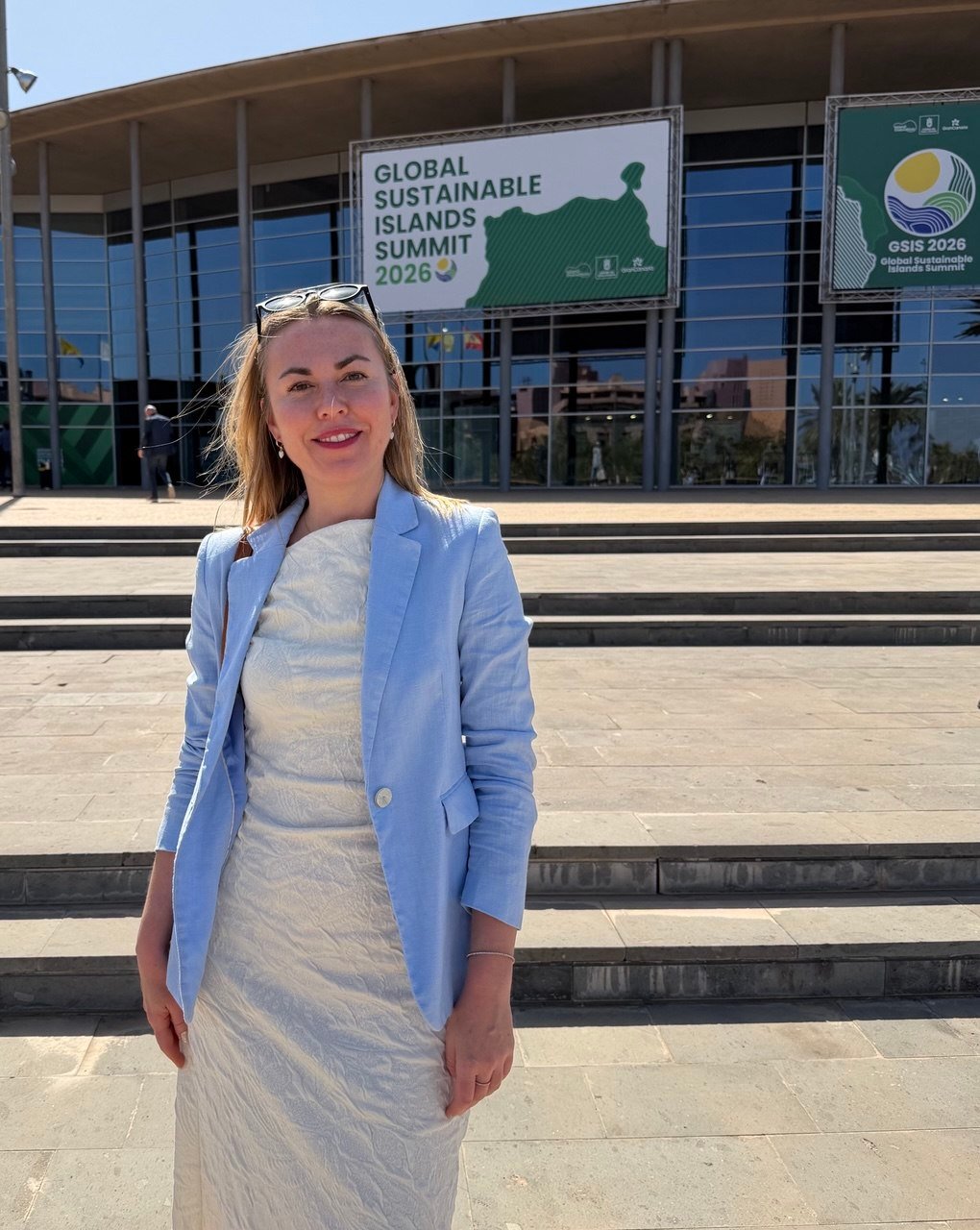
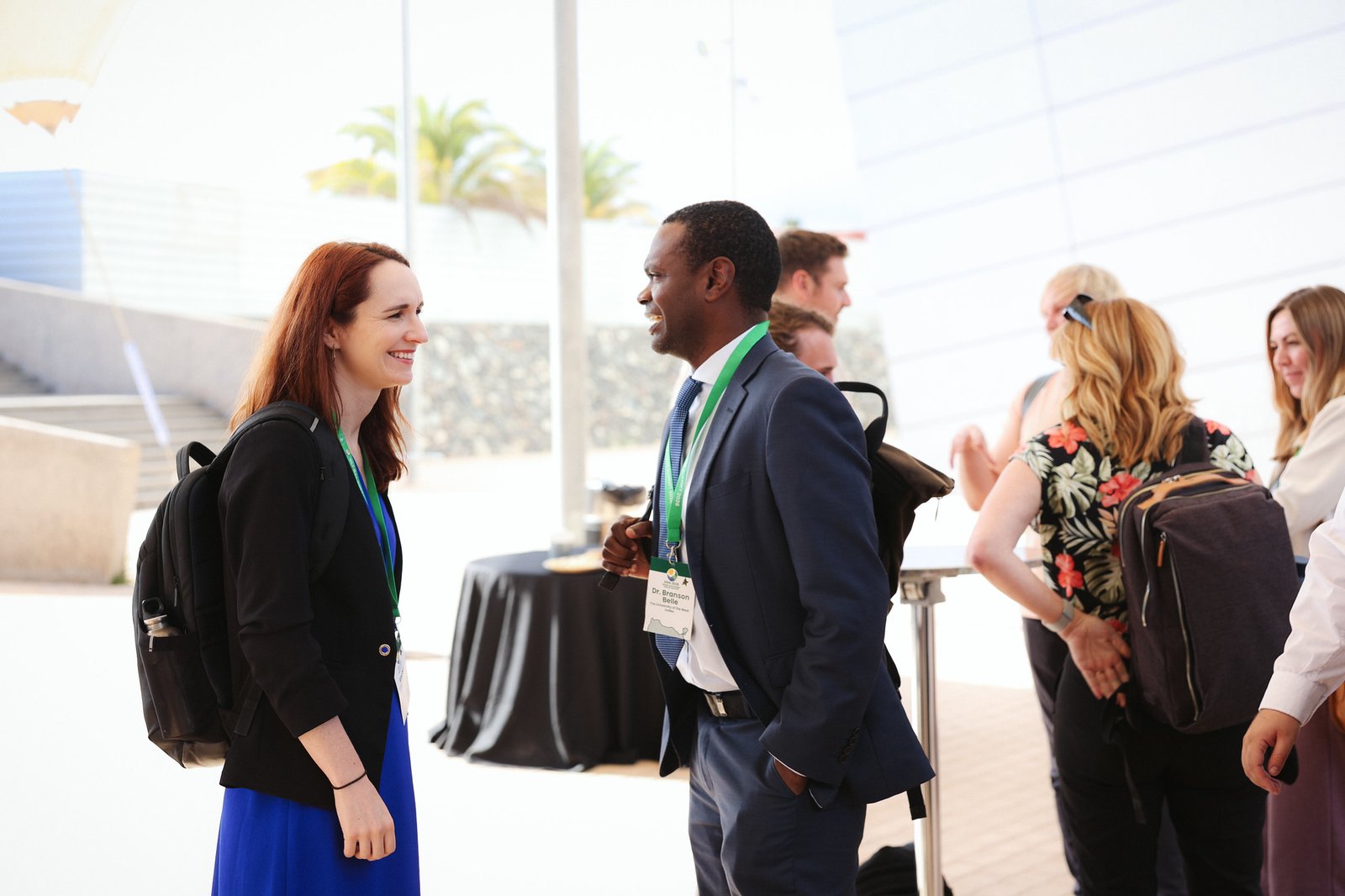
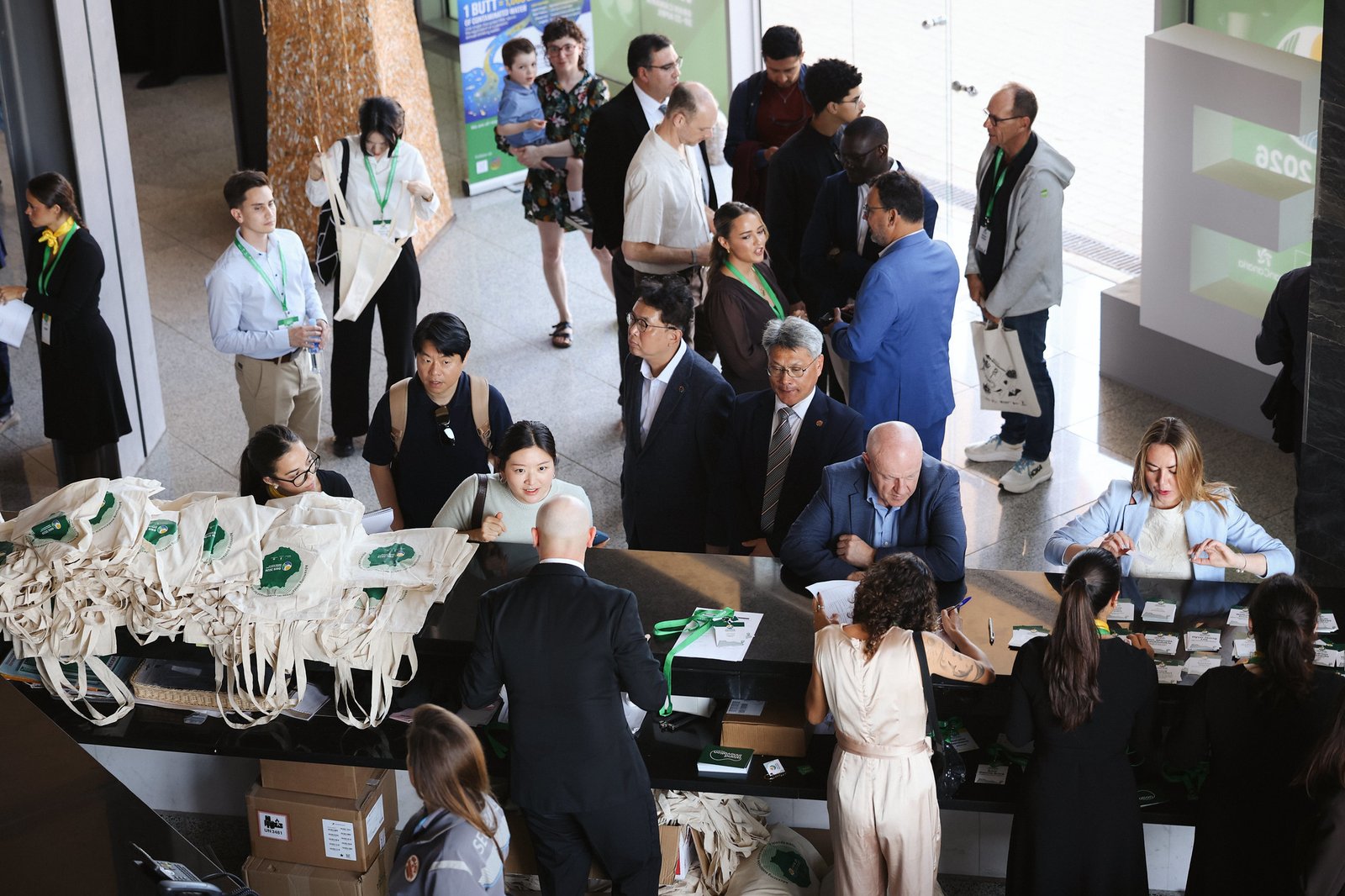
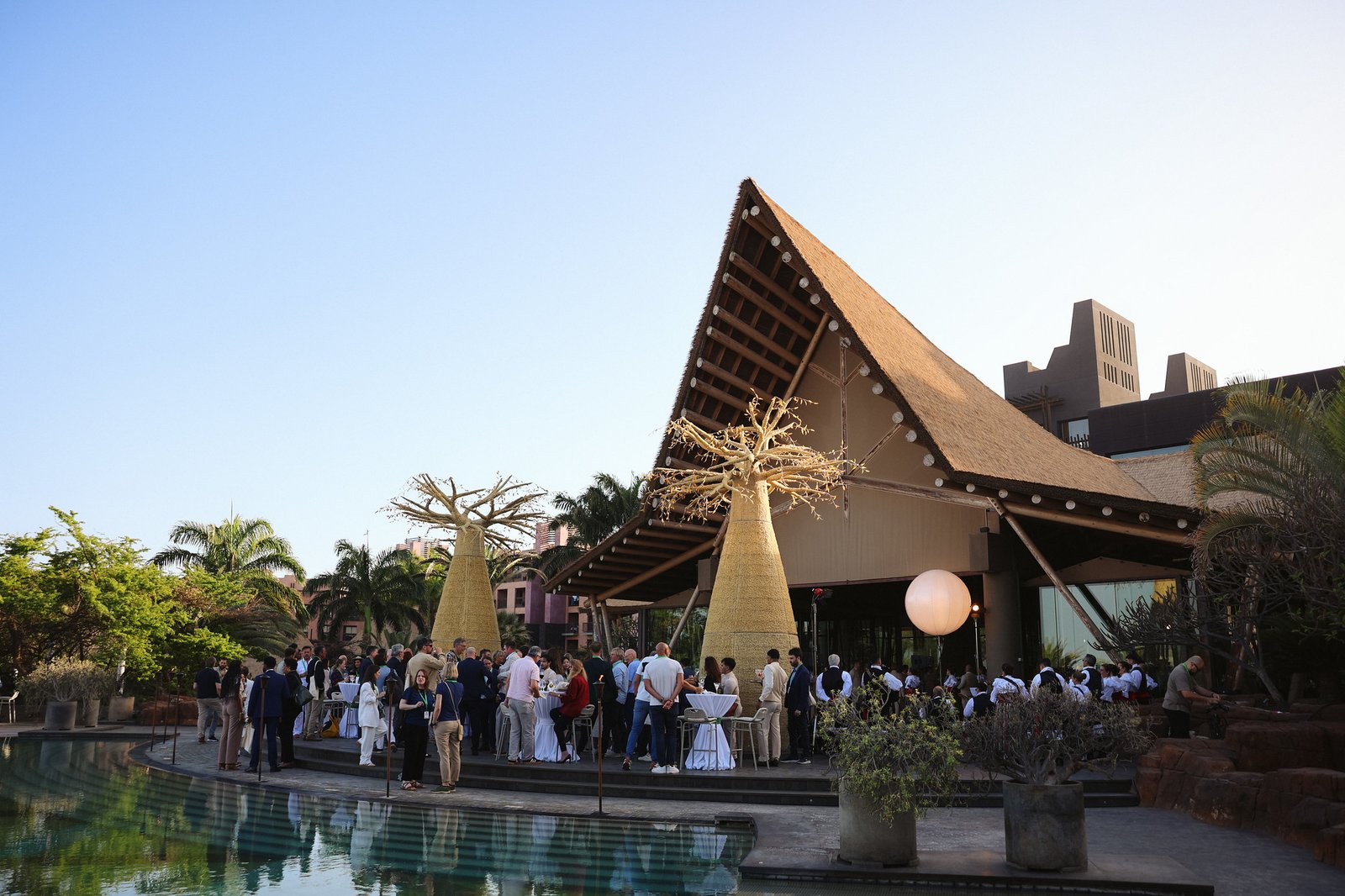
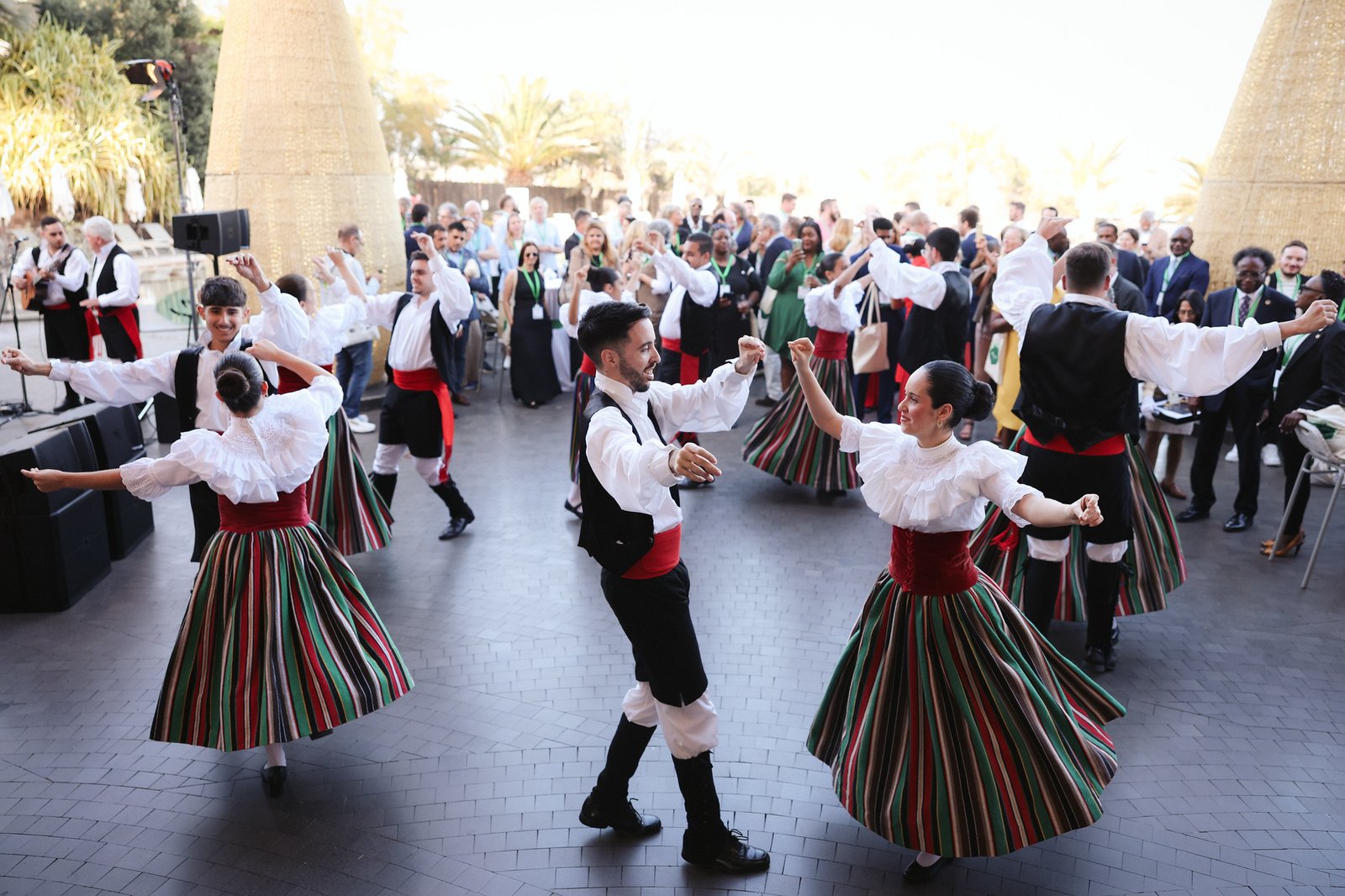
This time the Global Sustainable Islands Summit was held in Gran Canaria – organised by Island Innovation with the support of the Cabildo de Gran Canaria. People from across the world did exactly what islands do best when they come together: share what works, learn from each other, and refuse to feel small. We were there as an official partner of Island Innovation, and we’re bringing the best of it back here, partly to share, partly because humans are forgetful and we want to be able to look back and get inspired again.
Islandness, not insularity
Professor Godfrey Baldacchino of the University of Malta opened the Summit with a speech that echoed throughout the following three days. He made a sharp observation early on: Island Innovation President James Ellsmoor had not once used the word insularity in his presentation — a word that almost inevitably surfaces when people talk about islands. Instead, he used islandness (yes, it’s a real word — we checked). Same reality, entirely different framing. Without the weight of negative connotation, the unique experience of island life becomes something to lean into rather than apologise for.
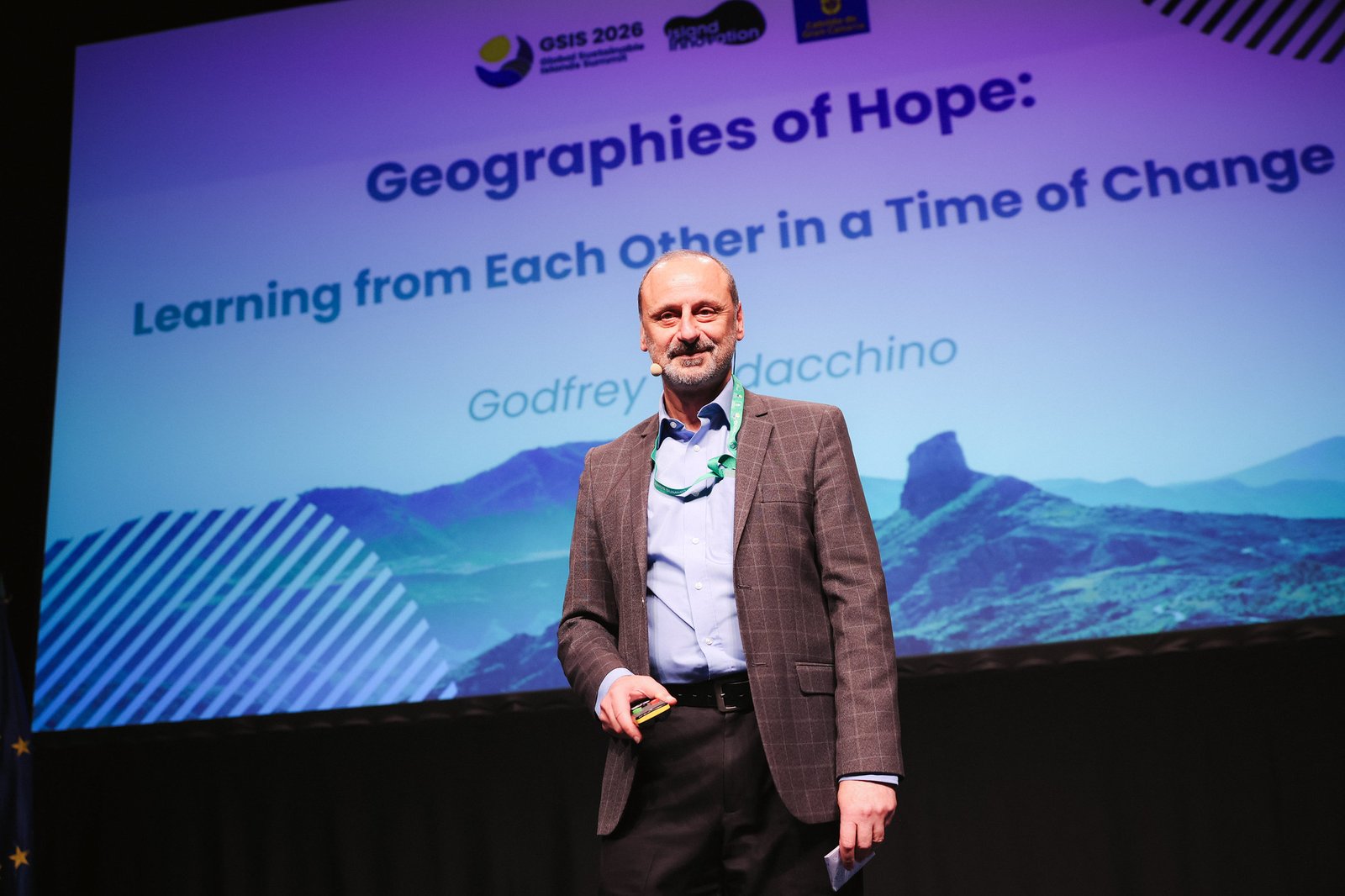
Professor Baldacchino also pushed back against the idea that islands are peripheral. Island territories are at the forefront of the world’s most urgent challenges — climate change reaches them first, new technologies can be deployed and tested faster, policies can shift more quickly. Islands are not lagging behind. In many ways, they are leading.
But his most memorable contribution was a story. He asked the audience to hold onto it above everything else — the story of the Frog, the Snake, and the Owl, adapted from Peter Katzenstein’s Small States in World Markets.
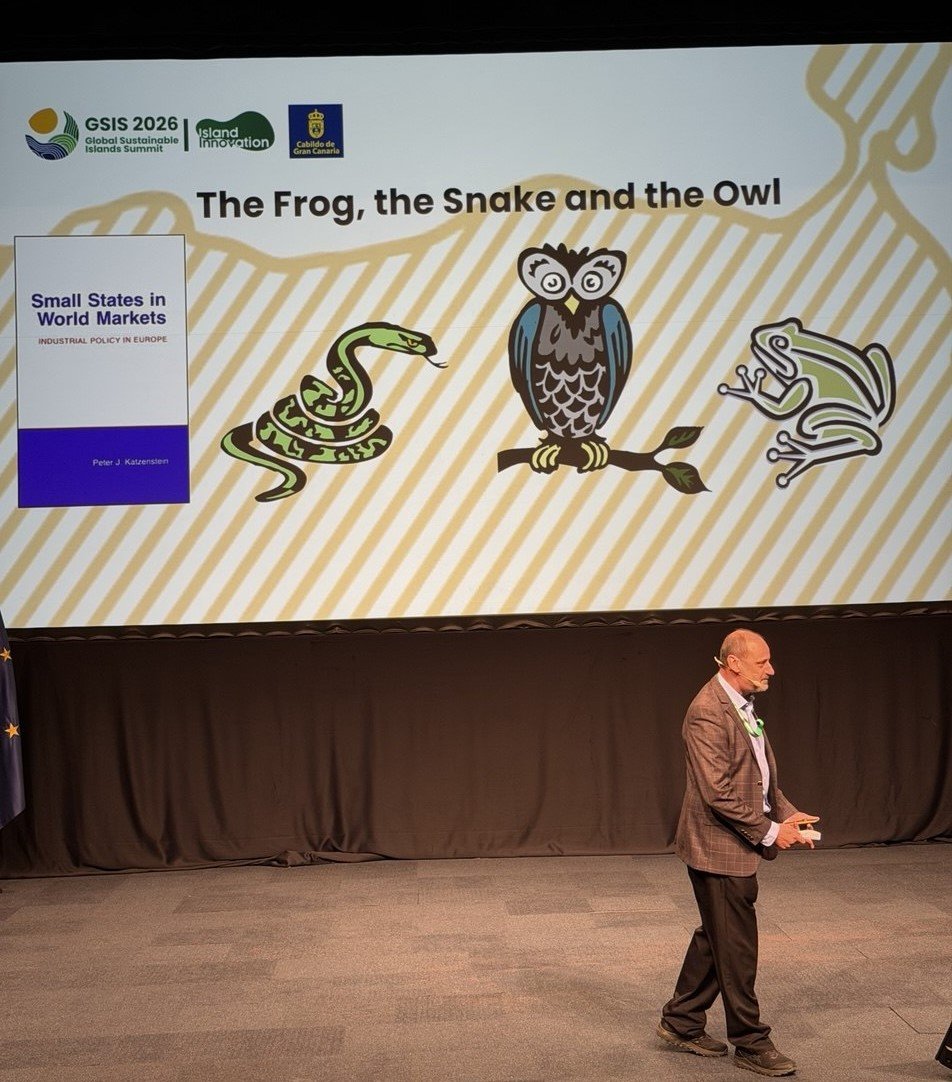
In a forest, a frog lives in fear of snakes — its biggest predator. Desperate for a solution, it goes to the Owl. The wise Owl considers carefully and offers its counsel: “Fly away.”
The frog is deflated. What is completely obvious to her — that frogs don’t fly — somehow escaped the Owl entirely. The advice, however well-intentioned, was useless.
But should the frog simply accept its fate and wait to be eaten?
No. The very existence of other frogs proves that survival is possible. The wiser advice is simply this: learn from those who share your context and have already figured it out. This is the whole point of a global summit where islands travel to meet each other. Not to receive advice from those who don’t understand the terrain. But to find the frogs who have already found their way.
Madeira in the room
One of the highlights of the Summit for us was seeing Madeira genuinely represented — and not just by our presence.
Andreia Rosa Collard from the Government of Madeira shared something we didn’t know. During COVID-19, when tourism stopped and much of the island’s economy went quiet, Madeira used the pause to digitise its entire land registry — moving from endless paper archives into a modern digital platform. Constraints carrying opportunities – a very island way of thinking.
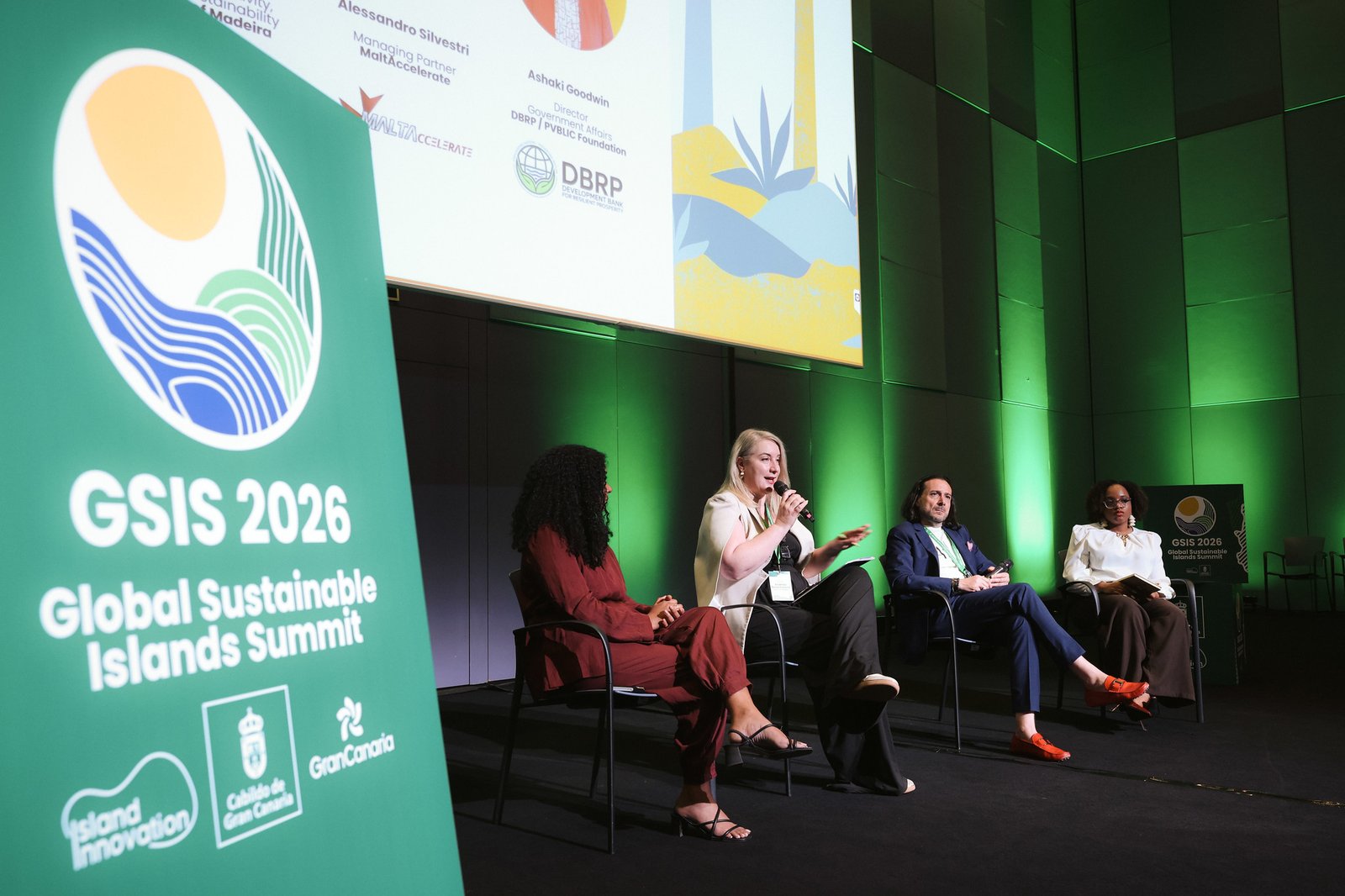
Andreia also raised something uncomfortable and important: the pattern of innovation being imposed from outside, by larger organisations with little understanding of local culture and context, who arrive, run a programme, and leave — abandoning it without any concern for what happens next. It’s a critique worth hearing, and one we recognise. Coming from a background in corporate tech law, she brings a sharp and grounded perspective to the conversation, and we’re glad to have this ally in Madeira.
There was also a small full-circle moment worth noting. Alessandro Silvestri from Malta Accelerate spoke in a session on designing impactful island innovation programmes. Its sister company is collaborating with us on FemPowered Islands — an initiative supporting female entrepreneurship across European islands. That project was conceived right after the very first Blue Economy Forum in Madeira in 2023. It has now been funded and launched. From the event with three restaurants in town to a running programme. That’s what showing up consistently does.
Ideas worth bringing home
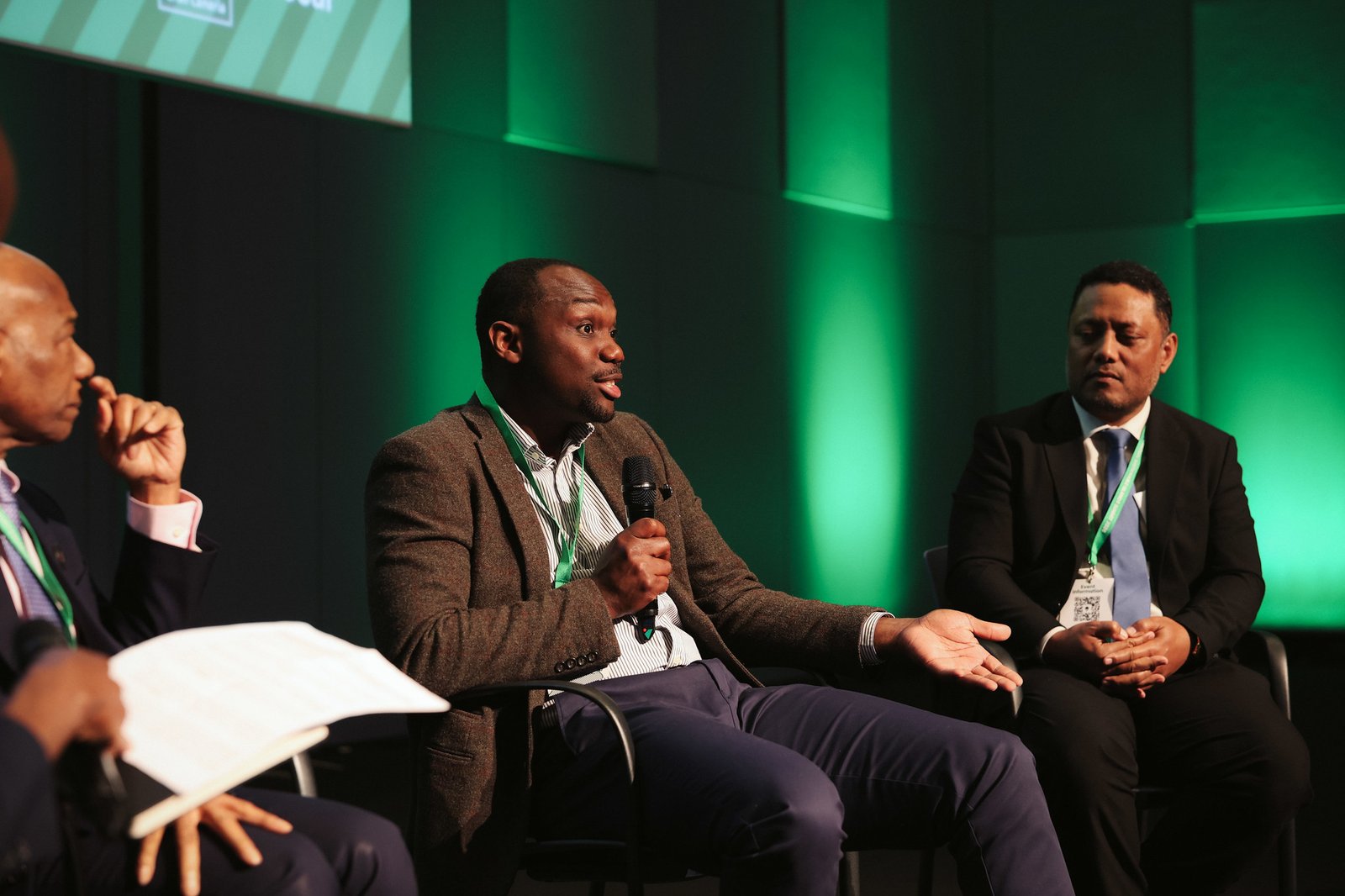
On a panel about AI and finance for small island states, Dr Diego Morris of the University of Birmingham offered a thought that landed: while parents around the world push their children to learn English as the language of opportunity, the language that will truly shape their futures is the language of AI prompting. Worth sitting with, especially for island communities thinking about where to invest in education and skills.
And the broader point made throughout the Summit — that the best innovation advice for islands comes from other islands, not from outside experts parachuted in — feels directly relevant to how Madeira approaches its own development. We are not short of good ideas here. We are sometimes short of the right connections to make them real. That’s exactly why being embedded in this community matters.
Startups worth watching
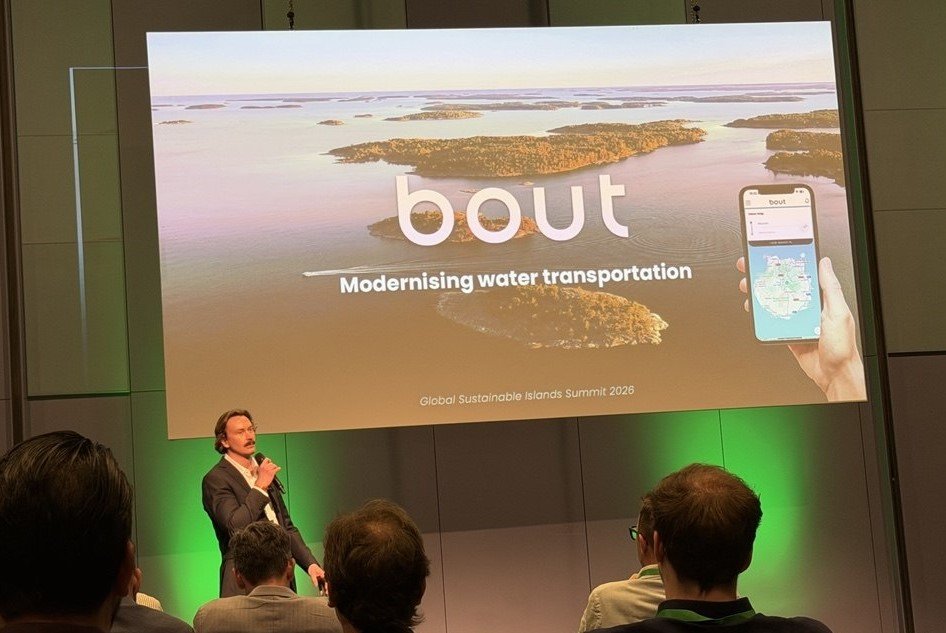
The Summit showcased ventures tackling coastal and island challenges in genuinely creative ways. Here’s what caught our eye:
- Bout — Uber for water transport
- Floating Power Plant — wave and wind energy combined on floating platforms
- VesselX — autonomous surface cleaners for water (a Roomba, but for the sea)
- SOS Biotech / SOS Carbon — converting invasive seaweed into alternatives to synthetic materials
- Recycllux — matchmaking platform connecting clean-up crews with ocean waste sites
- Helen of the Sea — snorkelling gear made from ocean plastic
- Corall — coral reef regeneration using underwater drones
- Solar Sub — solving the overheating problem in solar panels
A phrase from this session that we’re keeping: nature produces no waste — only raw materials.
Being part of the Island Innovation movement is one of the more quietly important things we do. If you come from a coastal or island territory and haven’t come across their work yet, follow them and subscribe to their newsletter. The content is niche, specific, and genuinely useful.
And keep an eye out for the next Global Summit announcement.
We’ll close with the words of Hon. Konris Maynard, Minister of Energy for St Kitts and Nevis, which hosted the 2025 Summit:
“We are small, but we are tallawah.”
Small, yes. But strong, mighty, and capable of anything.
Photos: Island Innovation & author