WARNING: at the end of this post, you will see how to get the best tool for visibility and impact we’ve seen so far, for free.
In an age where people read less and less, starting a blog can feel like shooting yourself in the foot.
We did it anyway.
Fast forward: our website now brings in 1,000+ new monthly users, puts us on the European map with partners and institutions, and even generates real donations for our My Madeira Forest.
Not bad for “just a blog.”
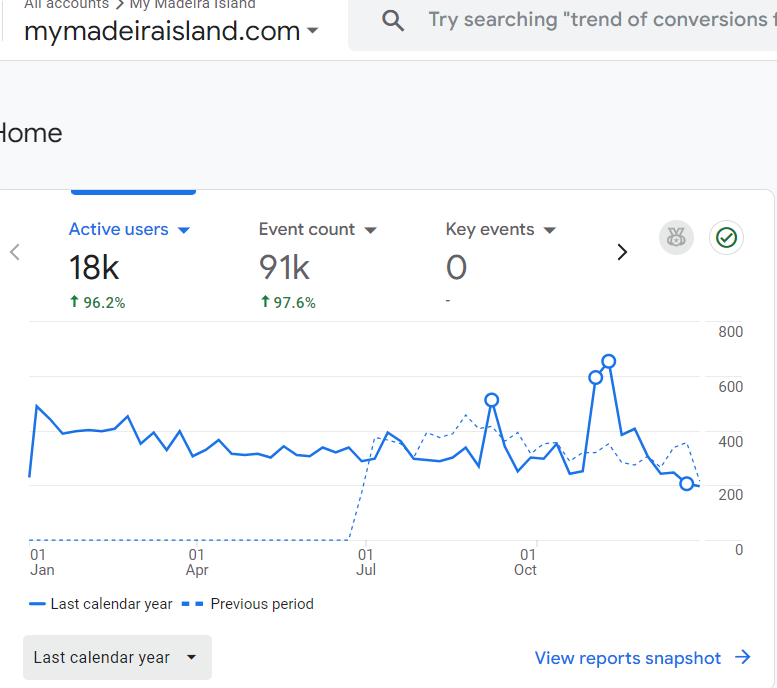
From day one in 2020, we believed something simple: good stories still matter.
At the time, there was no real English-speaking resource in Madeira offering original content. Most available information was translated from Portuguese newspapers or magazines. There was also a deeper issue. Madeira is a unique place on the cultural and natural heritage map of the world, and treating it as just another seaside destination for mass tourism puts that heritage at risk.
We needed people to care about this place. And one way to build that care is through storytelling. When you explain why something matters to you, you create empathy.
When you combine that with strong visuals and a clean, user-friendly website, people start paying attention. Our stories about people and place began to reach a wider audience.
I still remember the moment we got our proof of concept.
A few months after publishing a story about a surfer girl I used to surf with, we received an email. It was from one of the editors at The Guardian, one of the most respected newspapers in the UK and beyond. They had read our article and wanted to write about surfing in Madeira as well. They asked for the surfer’s contact details and were interested in buying some of our photos.
I could not believe it. The Guardian! They had read our work and wanted to collaborate. If there were Oscars for bloggers, that was my moment.
We sold several photos and celebrated with champagne. But the money was not the important part. What mattered was the validation. It showed us that quality communication gets noticed.
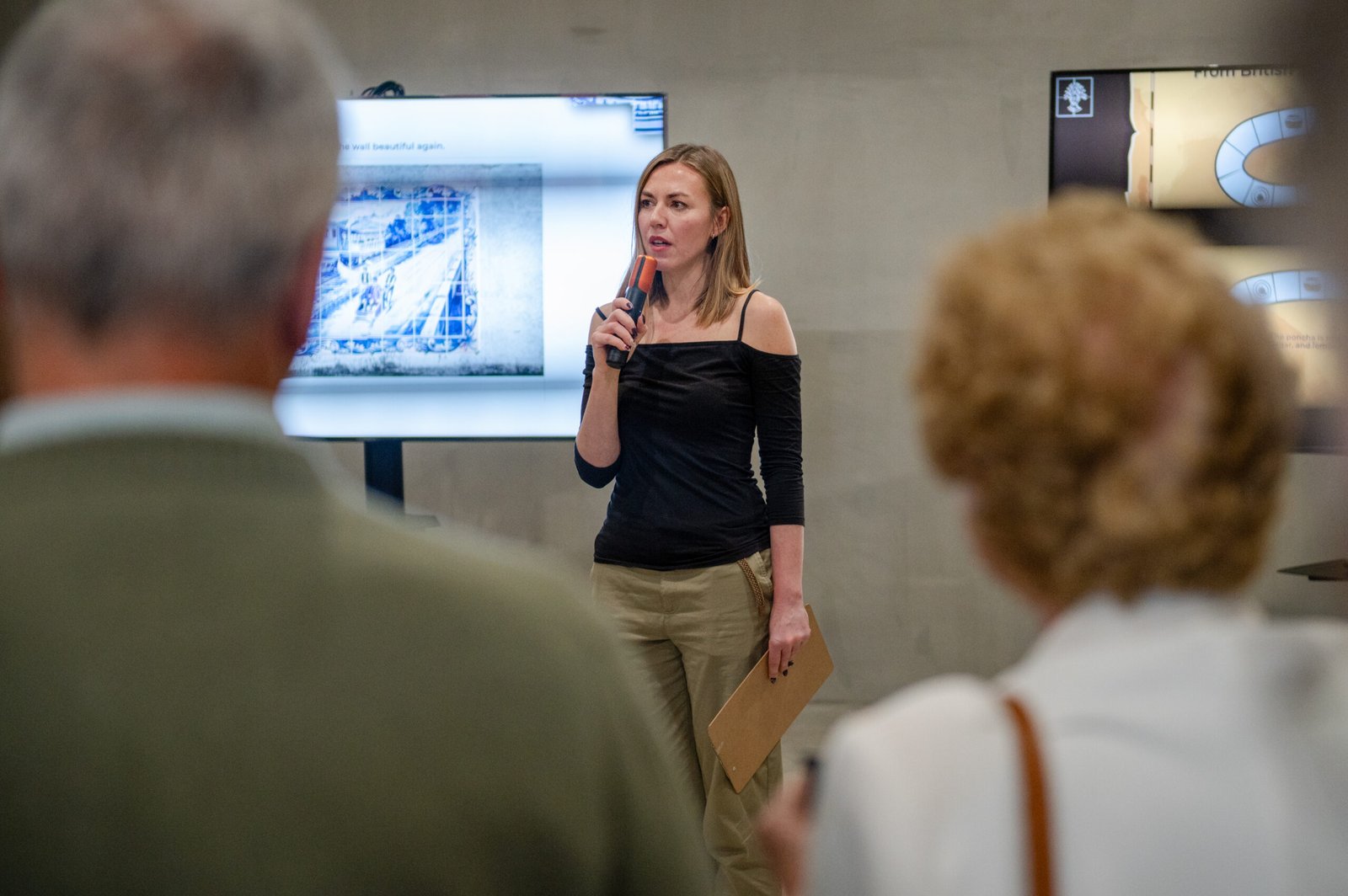
My Madeira Island as an organisation grew from that blog and the traffic it generated. But it is not only the stories that keep our website visible.
Other assets:
- backlinks from trusted sources
- mentions in traditional media
- EU platforms picking up our work
But let’s be clear, a website alone is not visibility. Social media alone is not impact.
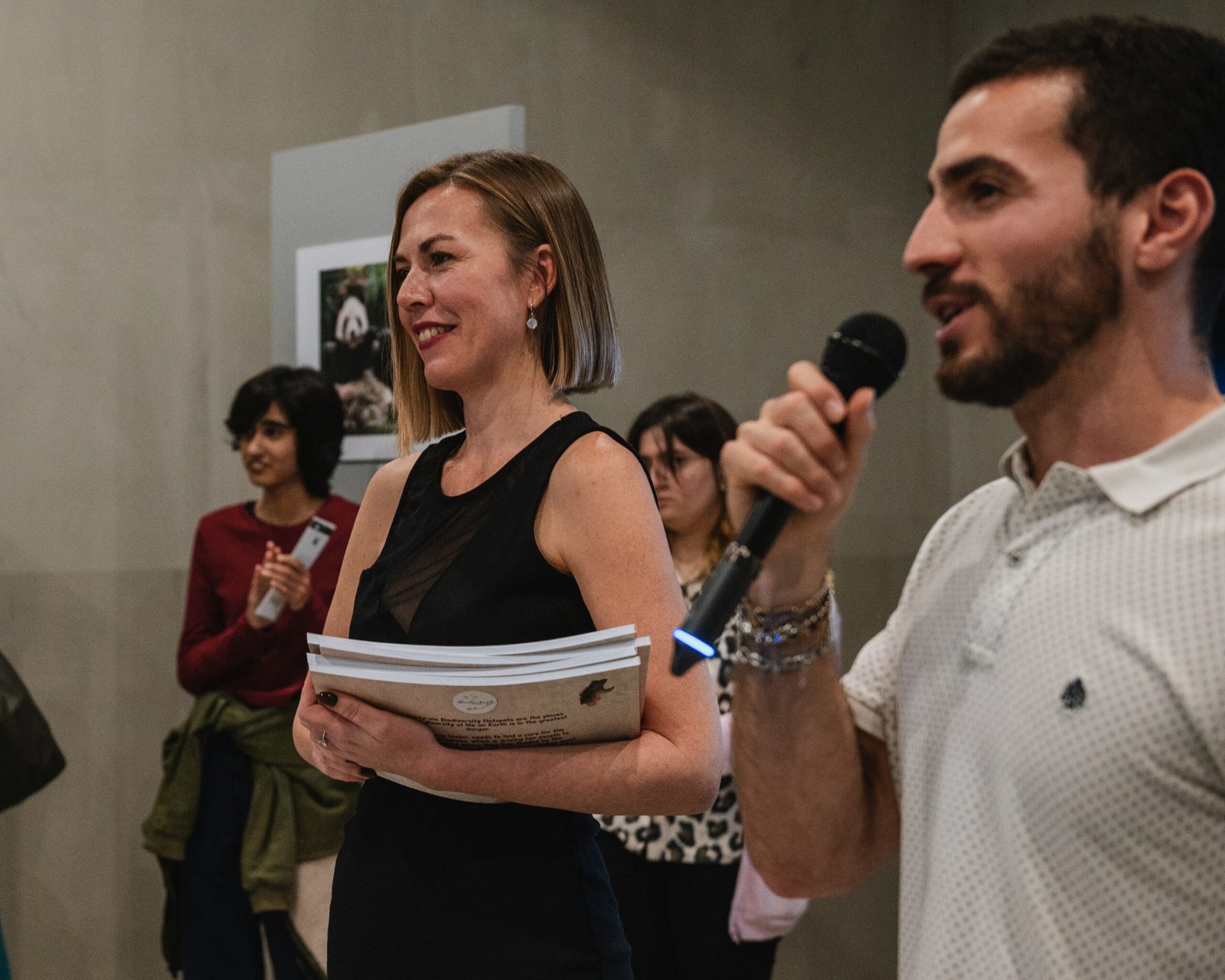
As My Madeira Island team, we run workshops and conferences, talk to journalists, engage volunteers and donors, follow EU communication standards. Plan, measure, adjust.
And we always keep learning.
The Shortcut We Wish We Had
The lessons on how to be noticed, how to keep people engaged, how to reach a bigger impact didn’t come to us easy. Half-empty rooms and occasional questions like ‘excuse me but who are you again?’ are still fresh in our memory. But now after five years of active work we finally see we know a bit more than an average organization and are ready to share it with you.
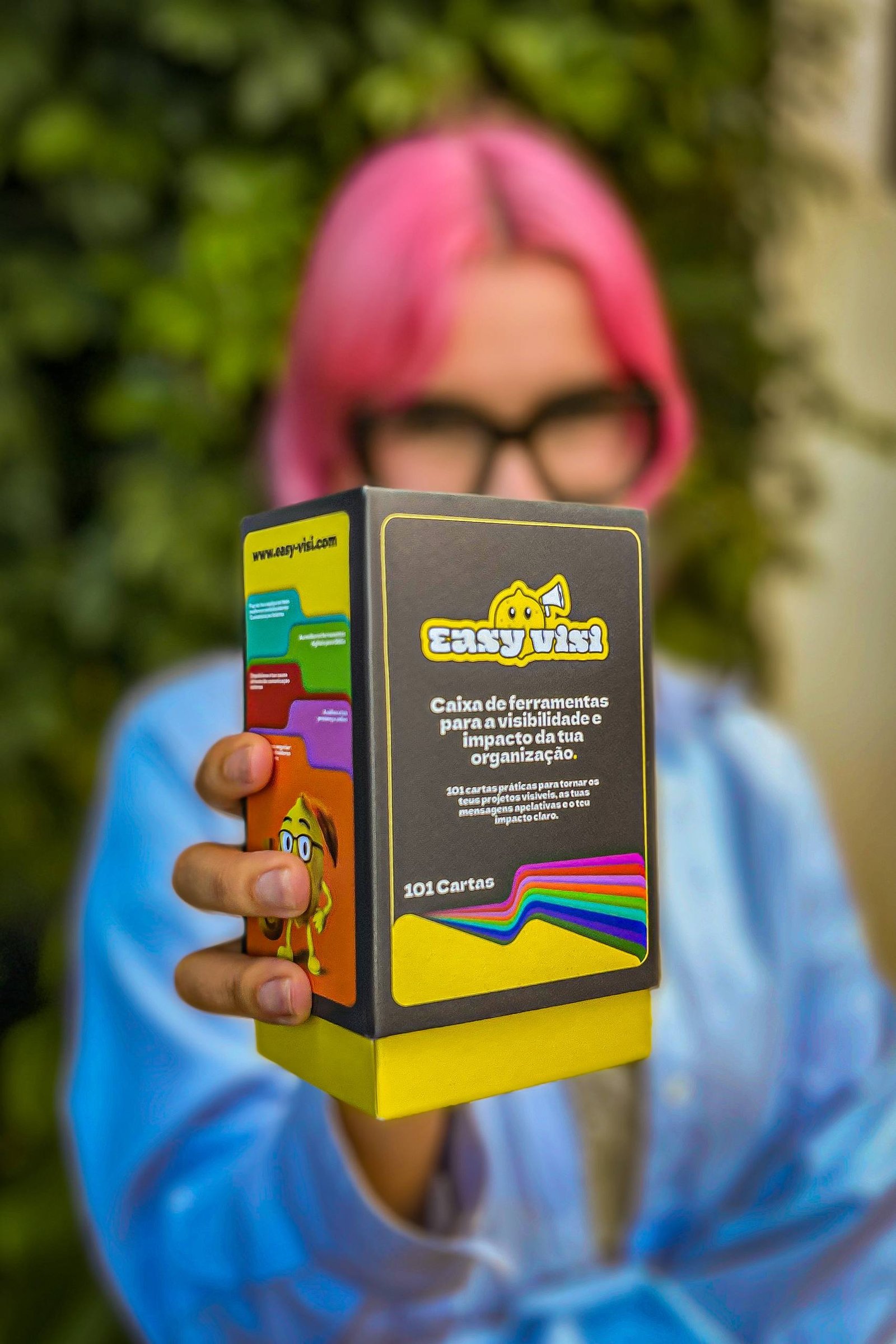
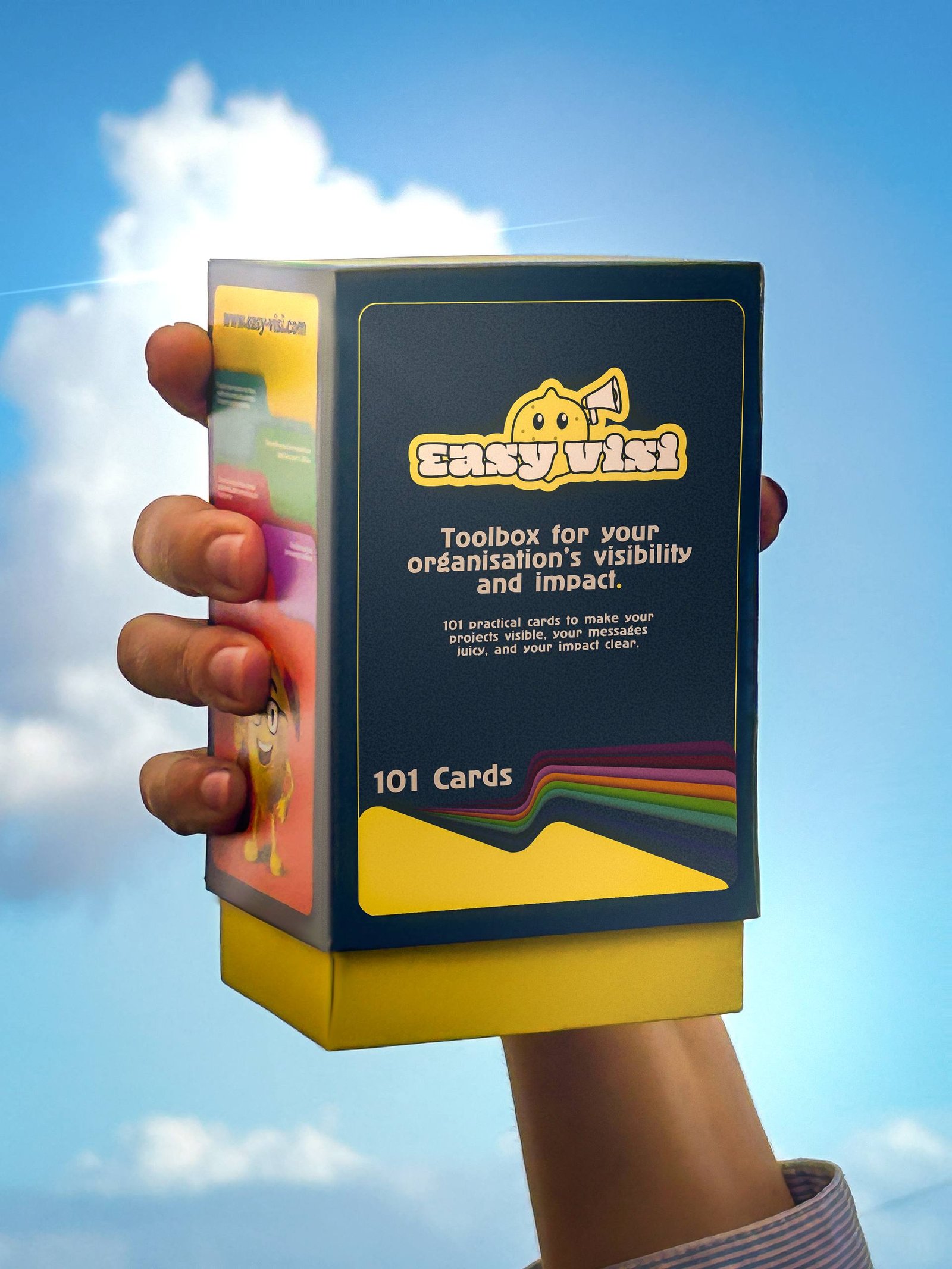
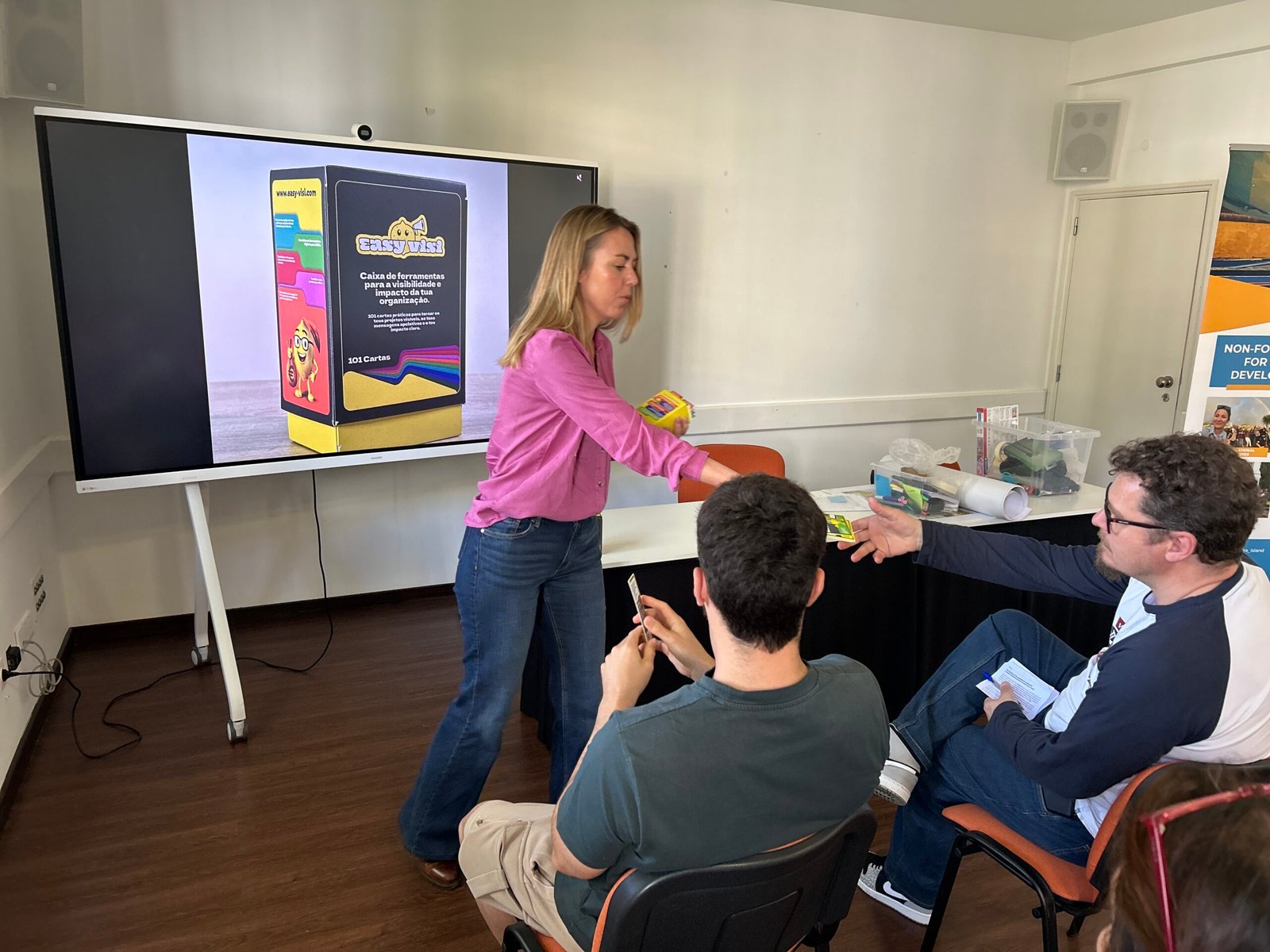
Together with international partners, we built something we wish existed earlier: A toolbox of 101 cards for NGOs working with young people.
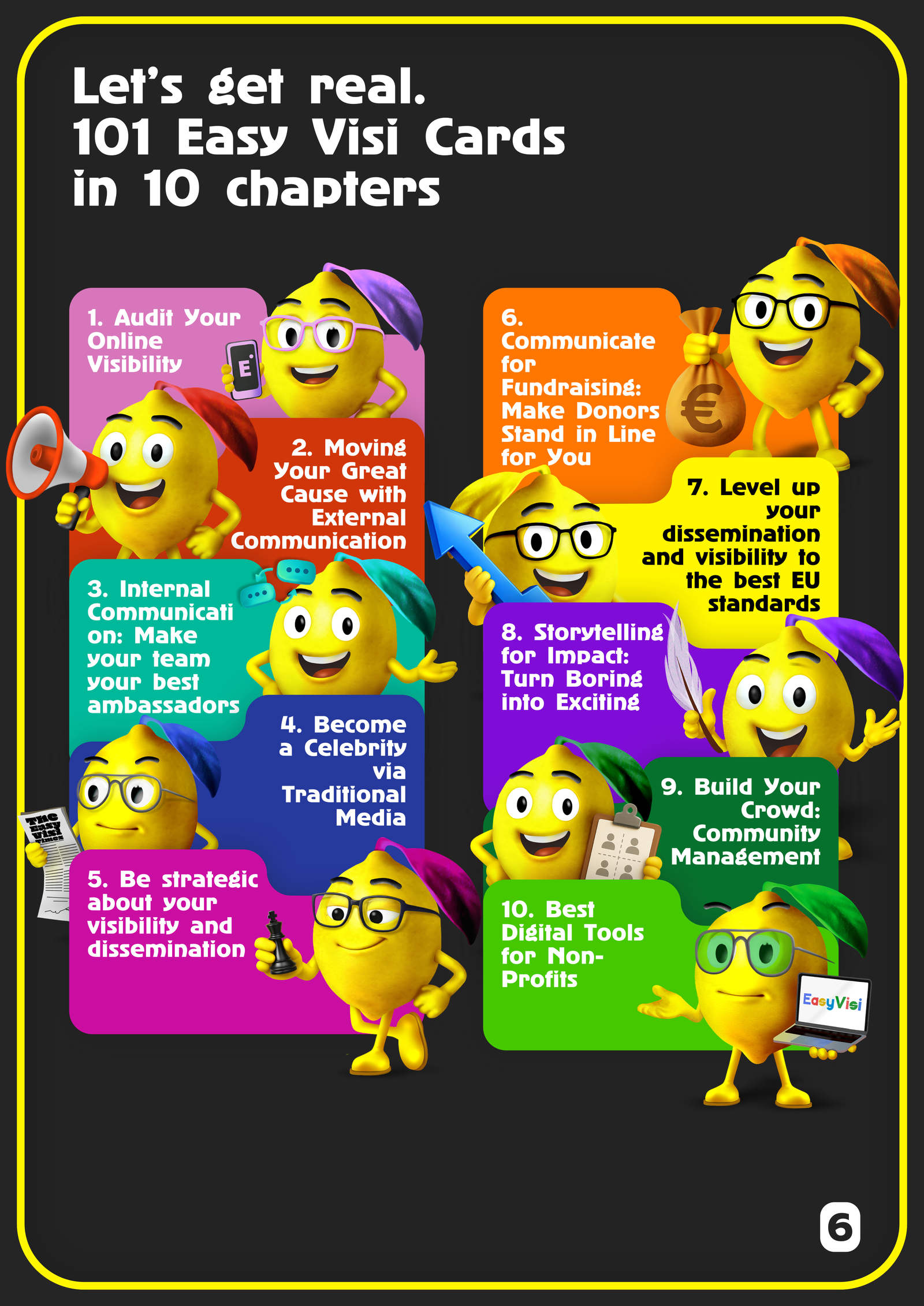
It’s literally a box of 101 cards (and a playbook) that teaches all principles of good communication. It is a proven tool to take you to the next level in terms of visibility and recognition of your work and maximize its positive impact. The work was funded by the Erasmus+ Programme of the European Union, and you can read more about it here: https://easy-visi.com/. The Easy Visi toolbox has 101 cards, grouped in 10 topics that address the key areas of communication for impact.
We strongly encourage you to take a look at all but we also want to show our favourite ones from each of the areas.
External communication
Nobody likes being ignored. Whether it’s a donor, partner, or young person, a quick and thoughtful reply shows you are reliable.
Traditional media
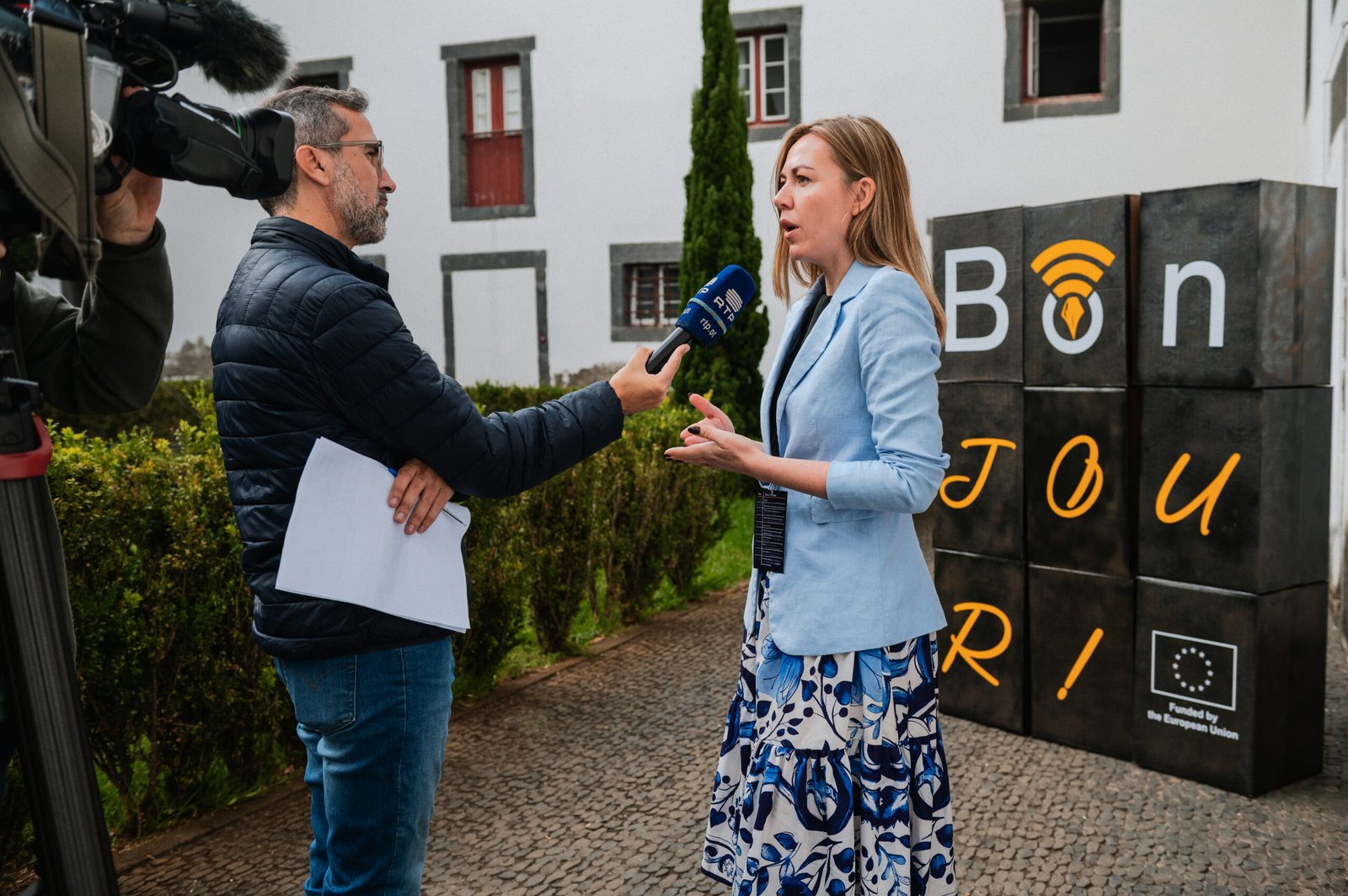
People still trust newspapers, TV, and radio. If you want credibility, learn how to write a proper press release and make journalists’ lives easier.
Talking to media under pressure
As Navy Seals say, you don’t rise to the occasion, you fall to your level of preparation.
If you need to speak to the public, know your 3 key messages. Write them down. Memorise them. Tattoo them if needed.
Digital tools for non-profits
There are many free or discounted tools. A big one is Google Workspace. In our case, it gave us secure storage, professional emails, and access to Google Ads worth up to $10,000 per month.
Storytelling for impact
Not many people remember facts but everyone will listen to your story. Don’t be afraid to connect with the audience on a personal level and show your vulnerabilities. Once hooked, the audience will follow you everywhere.
Communicating for fundraising
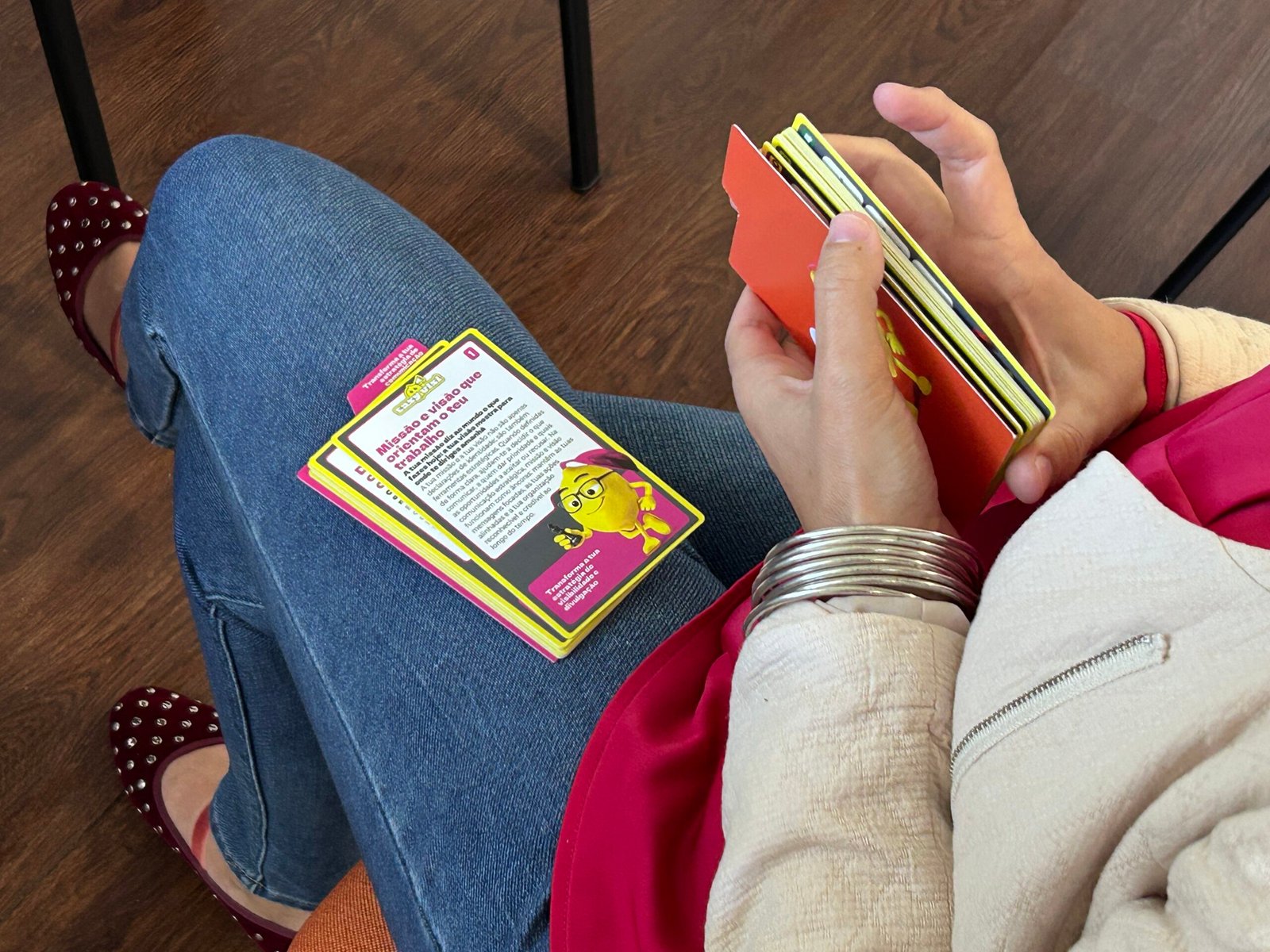
Each of the 10 cards shows various aspects of how to win donors, but my favorite one is about remembering to show your appreciation of their support. This again helps visibility and builds your case for a next fundraiser
Internal communication
The card I emphasize with is about making your team your ambassadors. They need to share your vision, and this can be achieved internally through consistent storytelling.
Online visibility audit
Honestly, nothing to add and nothing to throw away. Each card is spot on about how you appear online through your website, social media, independent resources, and organisations need to do this audit every 6-12 months.
Community management
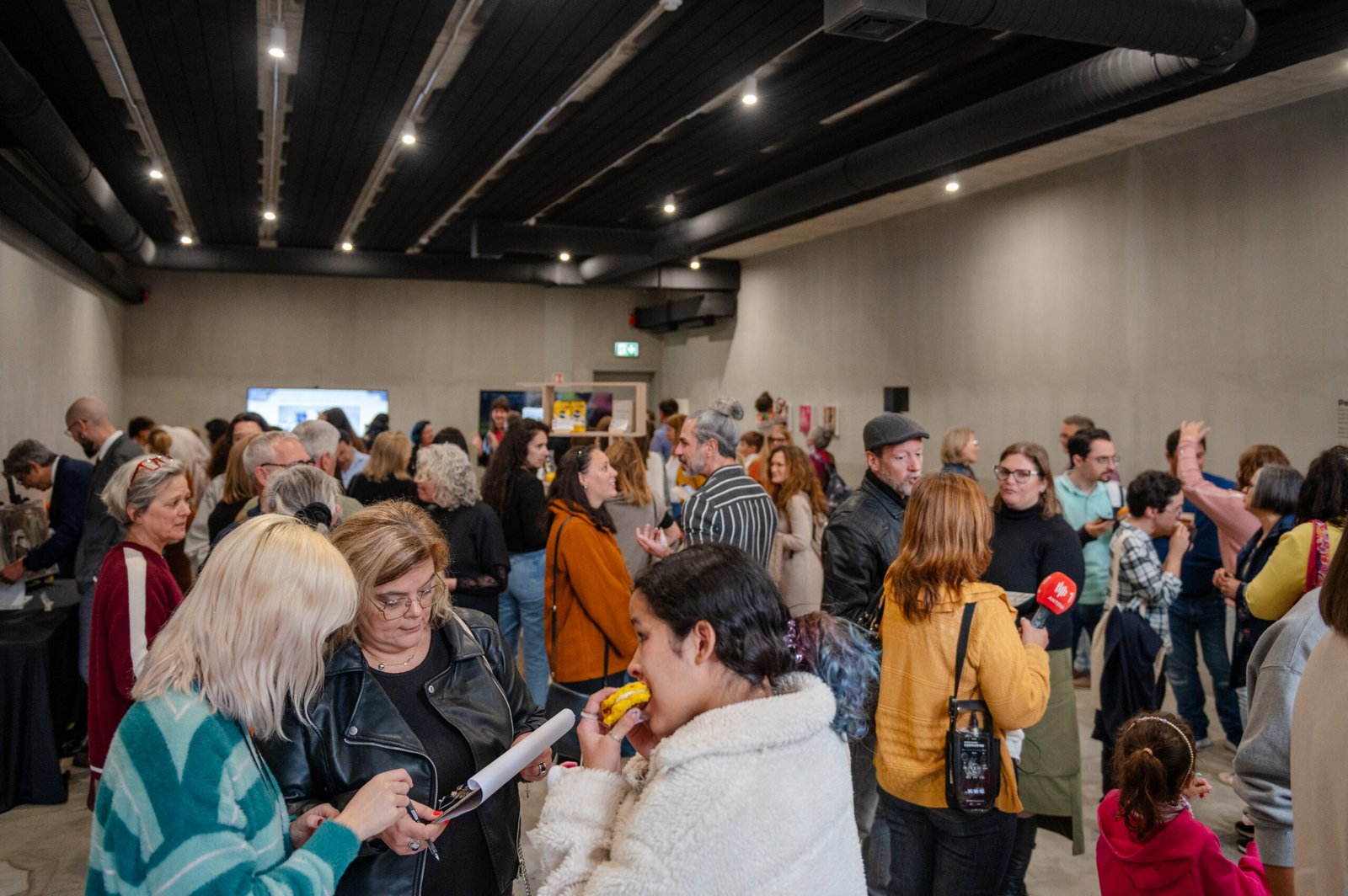
The highlight for me is about keeping the engagement. Communities fade when they stop feeling connected or that their presence matters. Communities are a valuable resource for any organization, don’t let this ball drop.
Strategic communication
In grassroot organisations, at the beginning everything is chaotic, including communication. This set will cure this disease, and one card in particular – build your annual communication plan.
EU standards of communication
If you are like us that have obligations towards the European Union in terms of communicating project results, check this set. If you are new in the business, the crucial thing you need to know – dissemination and visibility are one of the most important indicators granting bodies are looking at. So don’t lose precious evaluation points in your projects and learn how to do it well from start.
Want the Cards?
You can download and print them in English, Portuguese, German, Spanish or Ukrainian: free Easy Visi Toolbox.
Or apply for a physical Easy Visi box.
We have 50 boxes to give away for free, in English or Portuguese.
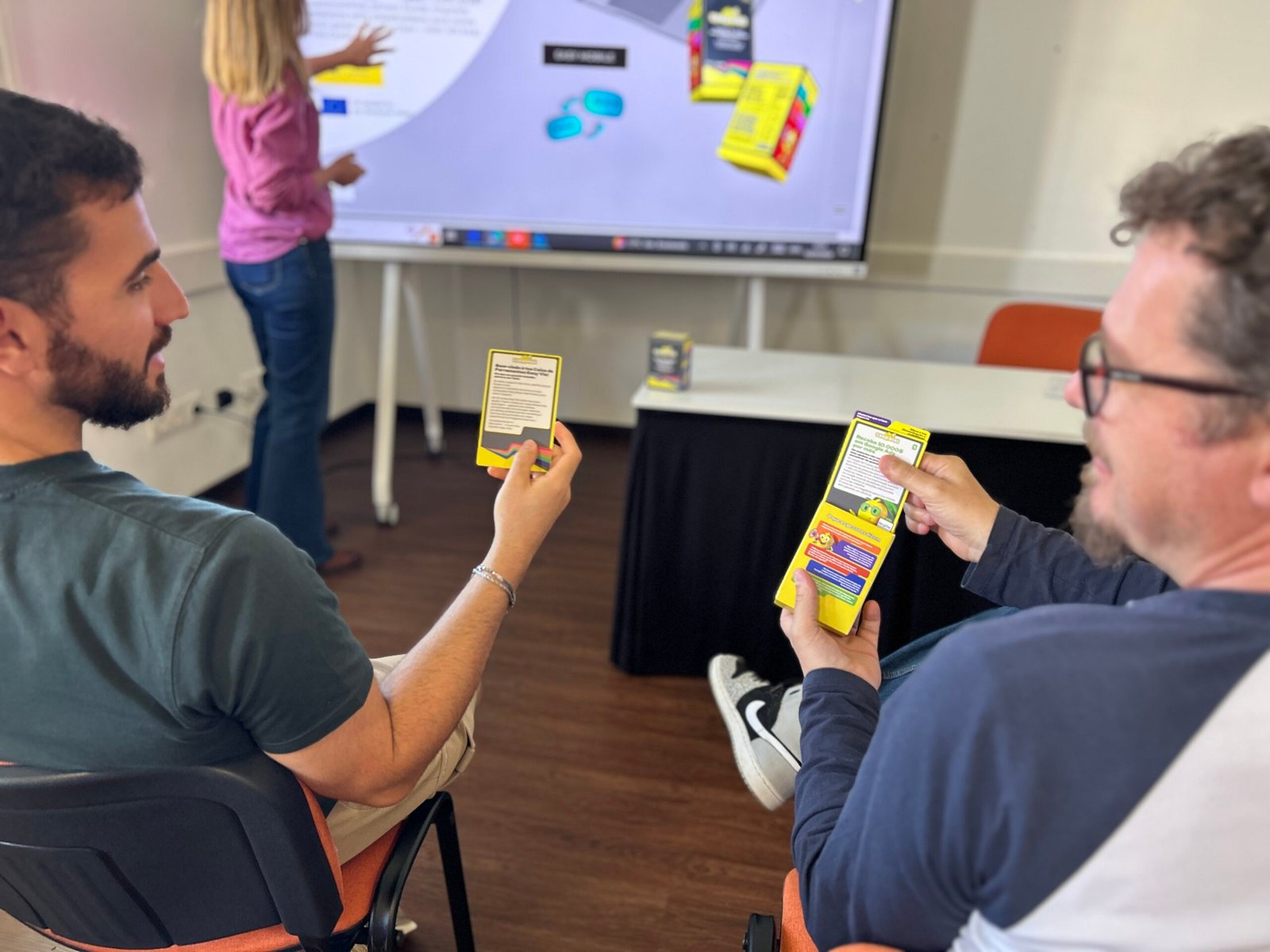
To apply, make a short video presenting your organization and how you will use the cards.
———————->Apply here<——————————
Deadline for applications: 1 May 2026.
Keep it simple, honest, and clear.
We are on a mission to support organisations that do good, by helping them be seen, heard, and recognised.
As an organization, you’ve already achieved a lot. Now it’s time for it to get noticed!
P.S. If you happen to stumble upon this post after the deadline and you want a box, email to info@mymadeiraisland.com, let’s talk.